

My mother looked like a Zoya. One of those old Russian names. Named after her aunt, Big Zoya, from the old country. It set her apart from the Marys and Susans of her time.
She was up early. Sitting at the kitchen table, not moving — moving cost too much, and the payment was due. So she sat. I could see her from the living room, from the couch where I slept. Her breath was heavy.
The kitchen table was actually a dining room table without the leaves. It was teak, from the early 70s. I remember when she bought it, that and the dresser now topped with fifteen or twenty bottles of meds.
But when I came in, she brightened, like there wasn’t a moment to waste. We had breakfast. She didn’t eat much. A can of Ensure, some of the eggs I’d made. There was a drive in her, a kind of steel she wouldn’t let go of.
I didn’t know it at the time, but the car I’d just bought was for her — or rather, to drive her in. Up to Kaiser for her treatment. Grueling. That was the word she used.
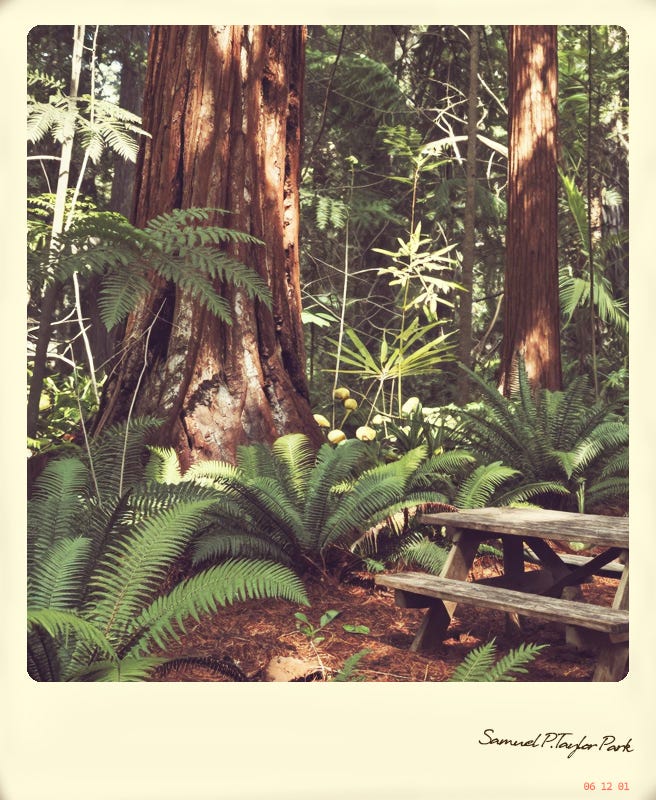
After a session we would drive into the hills of Marin. Maybe walk a little. Maybe sit in the car or at a picnic table. Each day, each minute, was alive. She was current with all of it.
She wished she had a boyfriend. The last one had gone many years before. Husbands, many years before that. I was what she had left.
Until the end she taught what there was to teach.